October 5, 2026
The world continues to witness a dramatic rise in the frequency and severity of extreme weather events. These alarming shifts pose significant risks to residential structures, particularly unprotected lower levels that endure harsh environmental conditions. From severe foundation strain to substantial financial losses, unmitigated storm activity creates urgent safety concerns that demand immediate attention and preventative action.
Protecting lower living spaces requires proactive measures before floodwaters or saturated ground cause permanent structural compromise. Ignoring subtle signs of water intrusion leads to costly repairs and degraded indoor air quality. By investing early in professional exterior waterproofing services, property owners can fortify their foundations against downpours and rising water tables, preserving long-term structural stability.
Recognize Emerging Severe Weather Risks
Extreme weather events include a diverse range of natural occurrences that depart dramatically from traditional climate patterns. Severe atmospheric phenomena like hurricanes, violent downpours, flash floods, and heavy winter snowstorms carry enormous destructive potential. These intense events routinely overwhelm municipal drainage infrastructure and dump unprecedented volumes of water around residential properties, making early geographic risk identification essential for every homeowner.
Shifting global climate dynamics have modified weather patterns across the globe, escalating both the unpredictability and violence of seasonal storms. Rising atmospheric temperatures alter historical precipitation cycles, producing periods of severe drought followed by overwhelming rainfall. Regions that historically experienced mild weather now encounter sudden, intense precipitation events that destabilize surrounding soils and surprise unprepared property owners.
Localized tempests continue to surge in frequency, driven by elevated ocean temperatures and changing atmospheric currents. Powerful storm systems bring high winds, heavy rainfall, and soil erosion that directly threaten low-lying residential areas. Contracting dedicated exterior waterproofing services ensures that your home retains a durable defense mechanism capable of withstanding these increasingly frequent and severe weather threats.
Assess Basement and Lower Level Vulnerabilities
Basements and subterranean spaces bear the heaviest impact of severe weather due to their physical placement below ground level. When heavy rainfall saturates surrounding soil, hydrostatic pressure builds rapidly against exterior basement walls, forcing water through small pores and hairline cracks. Beyond immediate physical property losses, standing moisture creates ideal conditions for toxic mold colonies that compromise indoor air quality.
Unprotected foundations face severe structural threats when surrounding soils expand and contract during extreme moisture cycles. Heavy rains oversaturate clay soils, causing them to swell and press forcefully against basement walls, while dry spells leave foundations unsupported. This continuous movement causes dangerous wall bowing and foundation cracking, making regular structural evaluations vital during unpredictable weather shifts.
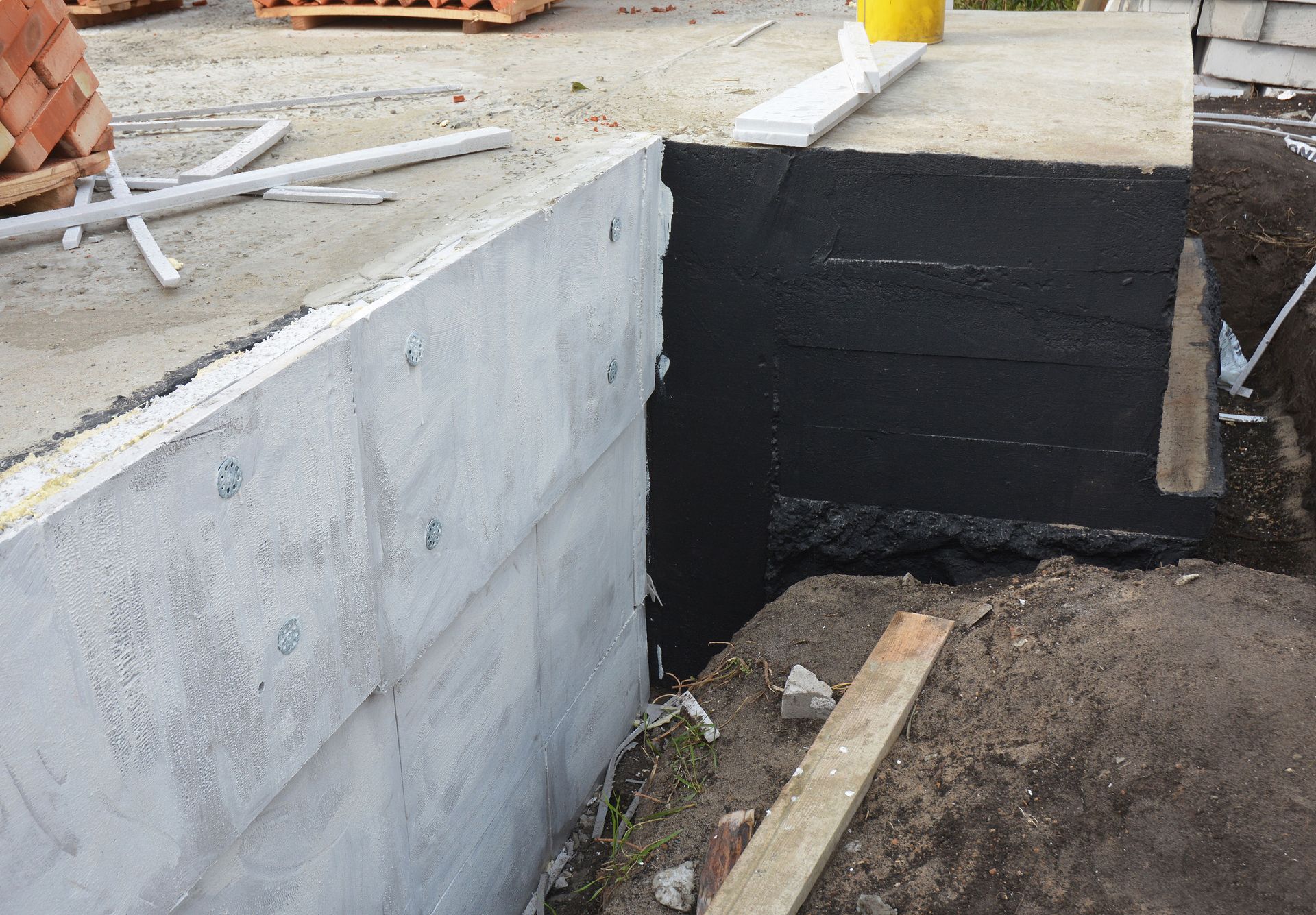
Inadequate baseline sealing remains a widespread issue in residential construction, leaving lower levels ill-prepared for severe weather events. Without comprehensive barriers on outer foundation walls, ground moisture steadily seeps into porous concrete blocks. Securing specialized exterior waterproofing services solves this issue at the source by applying protective membranes and perimeter drainage before water ever touches structural walls.
Analyze Primary Weather Impacts on Foundations
Flooding represents one of the most destructive outcomes of severe atmospheric storms, generating both immediate catastrophic damage and long-term structural problems. Rapidly rising floodwaters saturate building materials, wash away supportive soil, and displace residents. Long after floodwaters recede, trapped moisture causes persistent framing rot and concrete degradation, necessitating robust perimeter drainage and pumping systems.
Extreme windstorms jeopardize lower-level stability by stressing roof structures, breaking exterior seals, and driving rainfall directly against exposed lower walls. High-velocity wind forces create severe pressure differentials across a home's exterior envelope, forcing water through subtle structural gaps. Securing professional exterior waterproofing services creates an unbroken barrier that prevents wind-driven rain from entering lower walls.
Winter precipitation introduces unique environmental hazards through massive snow accumulations and deep freeze-thaw cycles. Heavy snowpacks melting against foundation walls generate continuous streams of water that penetrate unsealed masonry. When trapped water freezes inside concrete pores, it expands rapidly and widens subtle cracks, requiring proactive waterproofing applications and insulated foundation walls.
Spot Warning Signs of Water Damage
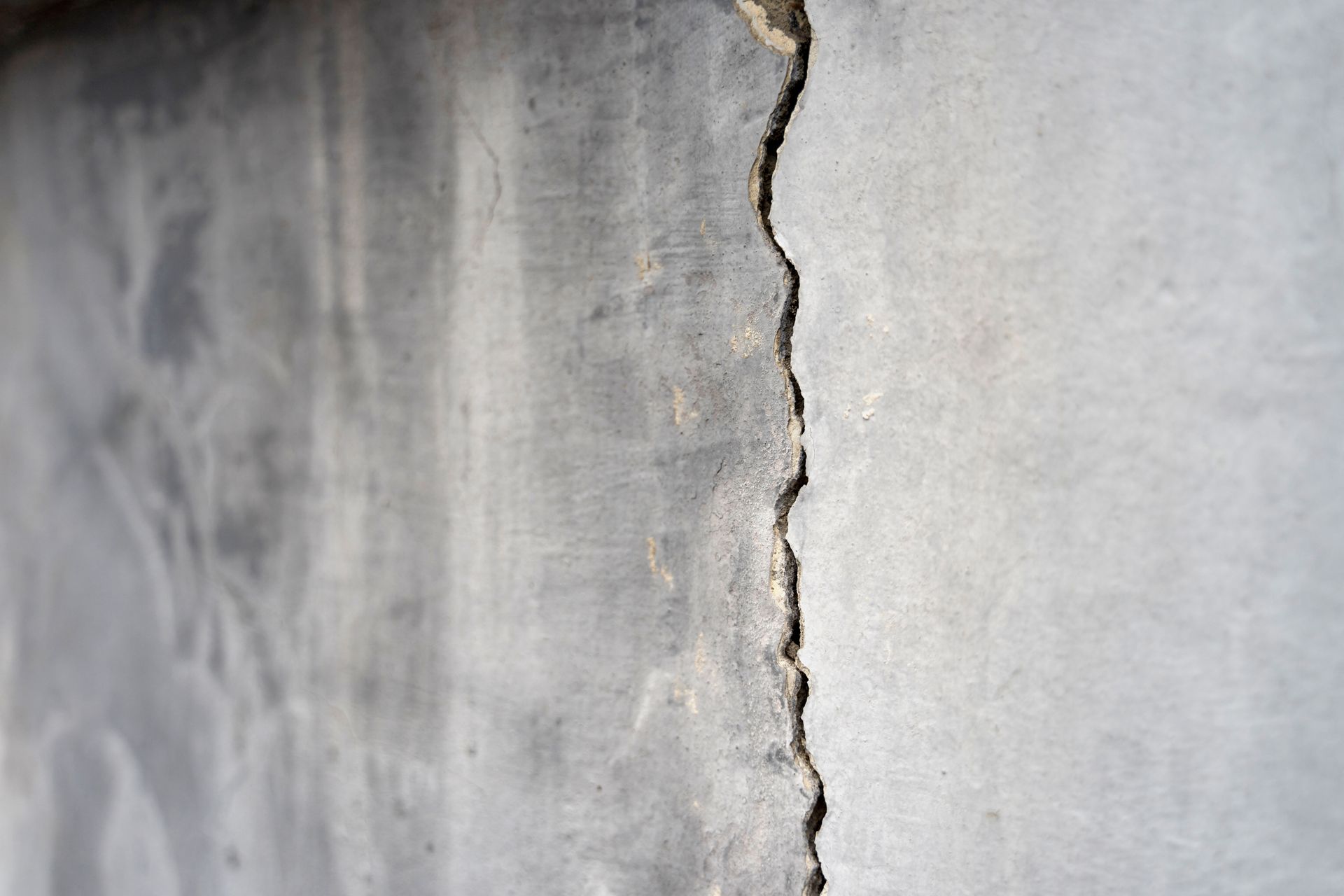
Identifying early indicators of weather-induced stress allows homeowners to fix foundation problems before catastrophic structural failure occurs. Visible cracks across basement floors, foundation walls, or interior drywall signal excessive hydrostatic pressure or soil movement. When surrounding soil shifts during severe weather, the structure experiences uneven settlement, leading to sticking doors, binding windows, and wall displacement.
Persistent dampness, lingering musty odors, and visible mold growth provide clear evidence of moisture control issues within lower levels. Scheduling systematic home inspections and investing in comprehensive exterior waterproofing services effectively removes the moisture sources that mold colonies need to survive. Proper moisture management protects structural elements from decay while potentially boosting overall property resale value by up to 30 percent, according to BasementRemodeling.com.
Uneven flooring and warped interior paneling often point to underlying foundation settling or severe water absorption within lower framing members. Similarly, the unexpected failure of mechanical sump pumps and drainage channels during storm events leads to rapid water accumulation. Addressing these warning signs promptly prevents compound repairs and restores energy efficiency across the entire home.
Implement Effective Moisture Protection Strategies
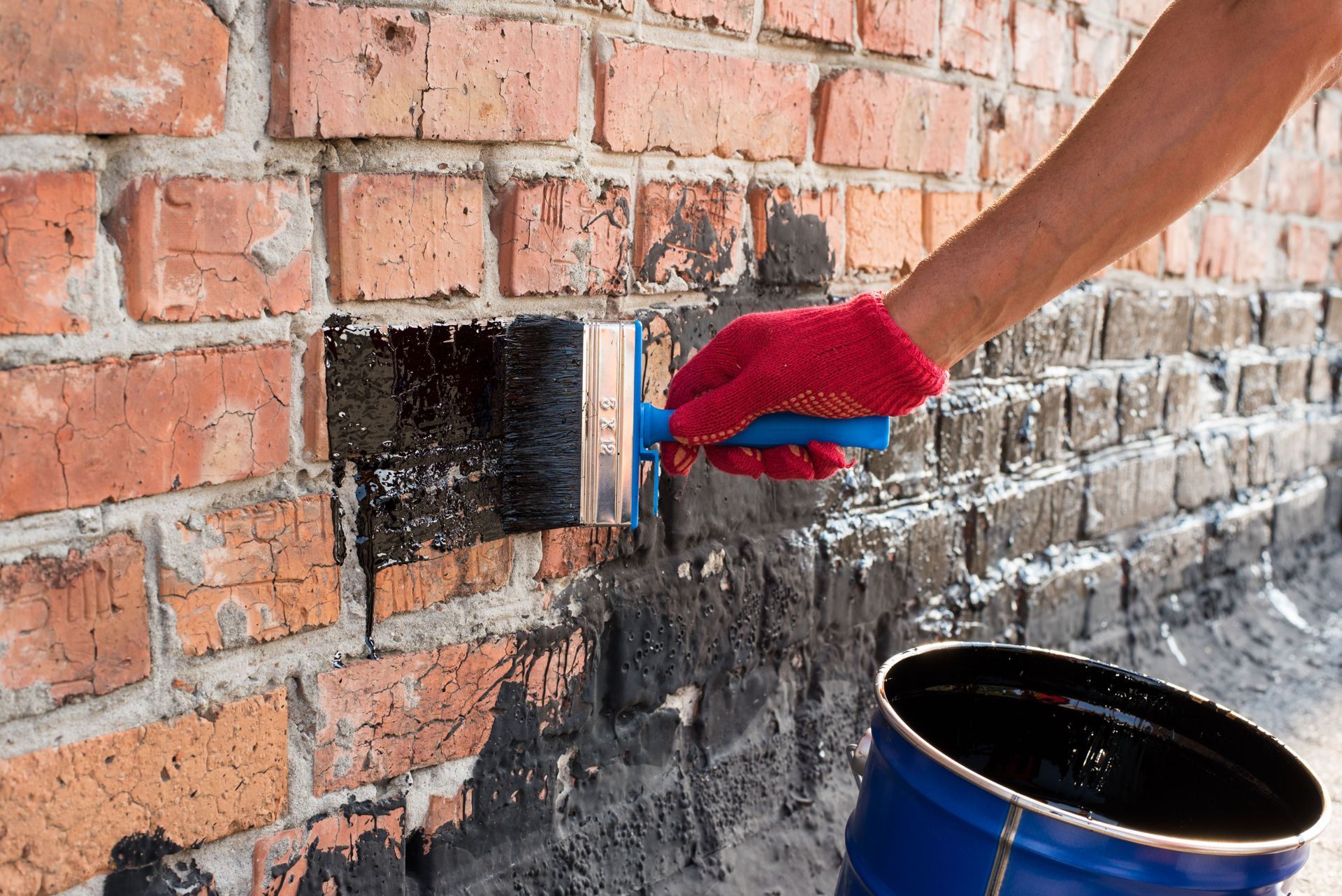
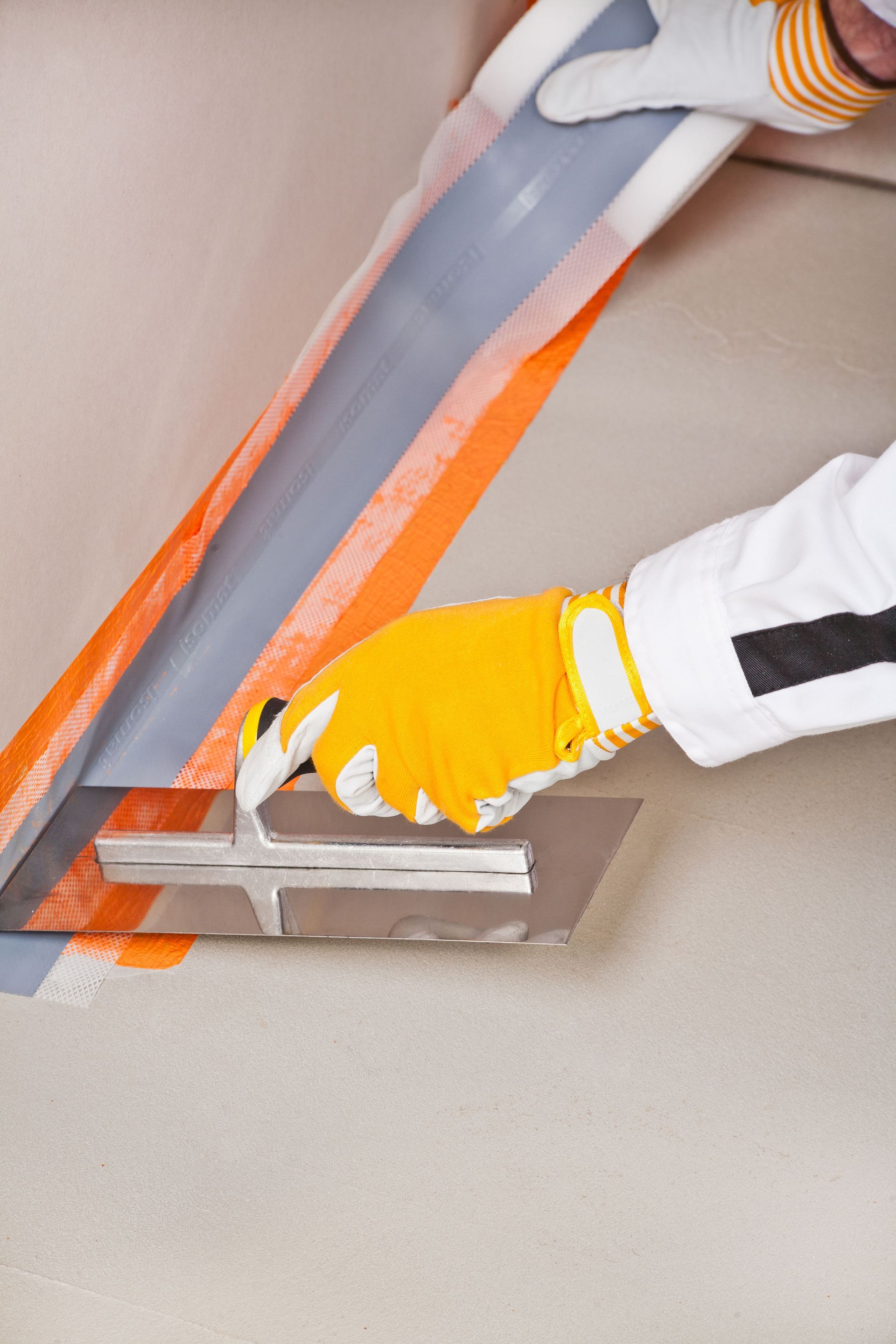
Hiring reliable contractors to perform exterior waterproofing services represents the most effective defense against groundwater intrusion and foundation deterioration. Exterior waterproofing coats foundation walls with elastomeric membranes, installs heavy-duty drainage boards, and replaces outdated footer tiles. This active defense diverts groundwater far away from the foundation before hydrostatic pressure builds, safeguarding lower living areas against heavy rainfall.
Proper grading and strategic landscape design complement structural defenses by directing surface water away from vulnerable foundation walls. Regrading surrounding soil to slope downward away from the home prevents rain runoff from pooling directly against basement walls. Extending downspouts away from the foundation and installing gravel swales improves surface water management during heavy downpours, creating robust flood protection.
Regular mechanical maintenance and routine structural inspections preserve protective systems and ensure optimal performance during emergencies. Testing sump pumps, clearing perimeter drain outlets, and sealing minor surface cracks are essential maintenance tasks. Engaging experienced structural specialists to conduct annual foundation evaluations ensures defensive systems operate flawlessly when high-intensity storms deliver sudden, heavy precipitation.
Build Resilience for Future Storm Events
Securing comprehensive property insurance coverage and maintaining a dedicated emergency maintenance fund are essential pillars of long-term home resilience. Specialized policy endorsements covering flood damage and water backing up through drains shield homeowners from devastating repair bills. Accessible reserve funds enable immediate structural stabilization when unforeseen environmental events occur, accelerating recovery after major storm disasters.
Enrolling top-rated providers for exterior waterproofing services aligns your home with modern structural building codes designed for shifting weather patterns. Municipal building standards increasingly emphasize aggressive moisture mitigation, heavy-duty foundation drainage, and sustainable stormwater management on residential lots. Upgrading older properties to meet modern standards enhances structural durability while supporting broader community disaster readiness and neighborhood stability.
Monitoring localized weather trends and climate forecasts allows residents to prepare their homes before severe weather systems arrive. Utilizing real-time weather tracking applications and heeding emergency management alerts provides vital warnings for closing storm shutters and checking backup pumps. Taking preemptive action before major storms drastically reduces the risk of water intrusion and structural damage.
Addressing lower-level vulnerabilities is a necessary priority for homeowners facing increasingly unpredictable and severe weather events. By understanding foundation risks, recognizing early signs of water damage, and applying modern protective barriers, property owners can secure their living spaces against extreme rain and flooding. Investing in long-term structural protection safeguards valuable physical assets, improves living conditions, and maintains property value despite harsh external forces.
Protecting your home from foundation failure and flood damage requires proven technical expertise, reliable drainage systems, and dedicated structural solutions. Do not wait for the next severe storm to reveal hidden vulnerabilities in your lower living space. Contact us today to schedule a thorough structural evaluation and see how we can safeguard your foundation with exterior waterproofing services from Master-Dry Waterproofing.