November 5, 2026
Basement waterproofing is crucial for maintaining the structural integrity and market value of your property. Choosing between interior management and true exterior protection requires a thorough understanding of how water interacts with residential foundations. While interior drainage manages water that has already entered, hiring a certified exterior waterproofing company addresses hydrostatic pressure before moisture ever breaches the foundation walls. This comprehensive guide examines both approaches to help homeowners determine the most permanent, cost-effective solution for their property.
According to Ruby Home, 98% of basements in the United States will experience some degree of water damage during their lifespan. High groundwater tables, seasonal storms, poor yard grading, and soil saturation all contribute to concrete degradation and basement flooding. Navigating these risks requires selecting reliable remediation methods that protect both your home's structural framing and indoor air quality. By evaluating each methodology, property owners can invest wisely in long-term foundation defense.
Analyzing Common Basement Water Problems
Identifying Primary Water Infiltration Sources
Water intrusion typically originates from roof runoff pooling near exterior footings, poorly positioned downspouts, and rising seasonal water tables. When expansive clay soils become saturated with moisture, they swell and exert intense lateral pressure against subterranean masonry. Concrete is naturally porous, allowing moisture to wick through microscopic capillaries and structural hairline cracks. Without intervention from a qualified exterior waterproofing company, this continuous hydraulic force creates expansive fractures in foundational walls.
Recognizing Subtle Symptoms of Structural Moisture
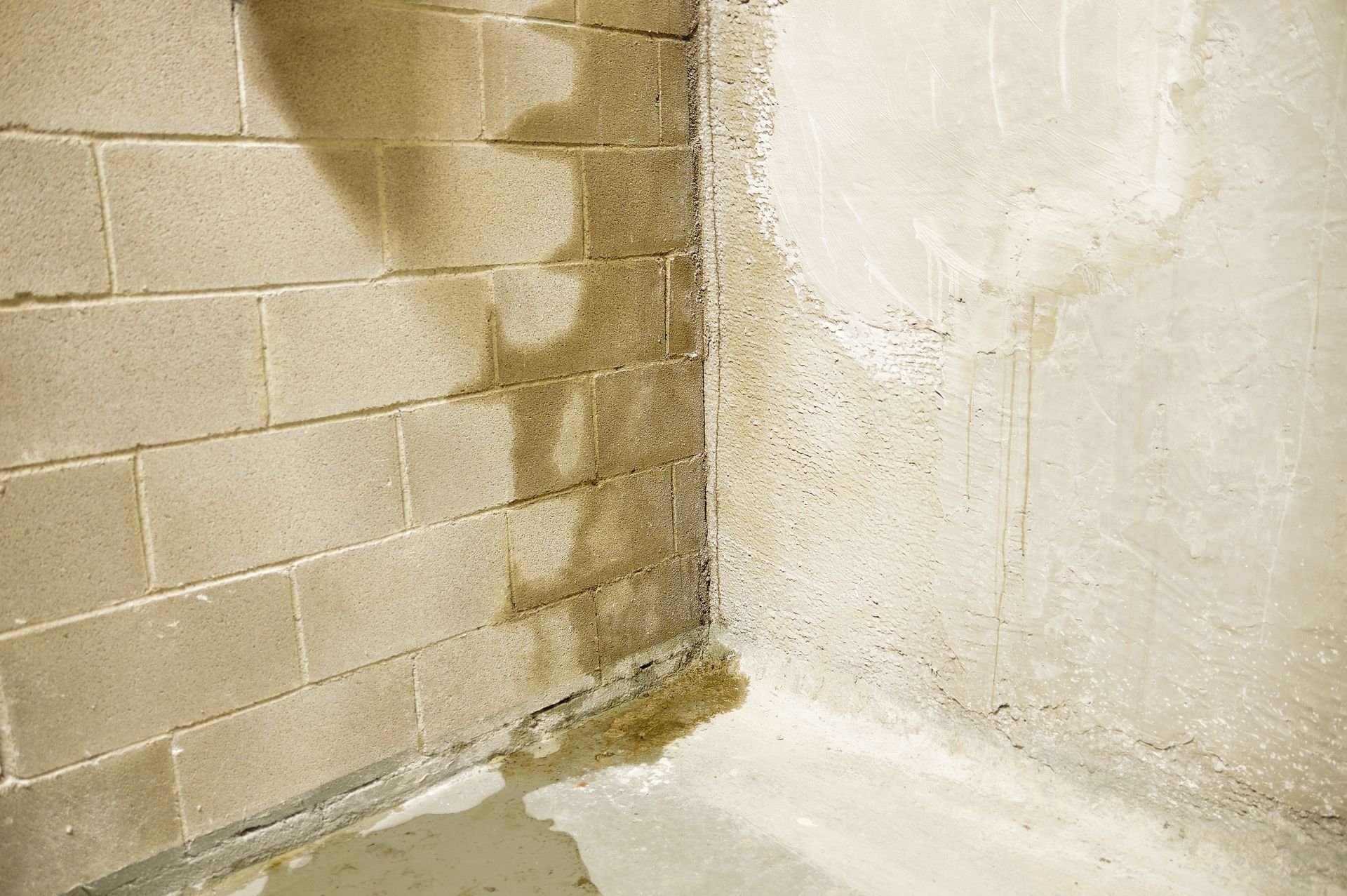
Moisture damage often presents subtle warning signs long before standing water accumulates across basement floors. Persistent musty odors signify active mold and mildew growth thriving behind finished walls and beneath carpeting. Homeowners frequently notice efflorescence—a crystalline, chalky salt residue left on masonry surfaces as water evaporates through concrete. Flaking paint, rotting sill plates, and rusty furnace bases all indicate elevated indoor humidity levels that require prompt professional remediation.
Evaluating Long-Term Impacts on Resale Value
Unresolved foundation moisture severely diminishes property equity and complicates real estate transactions. Savvy home buyers and licensed mortgage inspectors view damp basements as substantial structural liabilities, often demanding major price concessions or repair escrows before closing. Documented preventative measures completed by an experienced exterior waterproofing company reassure prospective buyers that the foundation remains structurally sound, protecting market valuation and improving resale potential.
Reviewing Interior Basement Waterproofing Methods
Understanding How Interior Drainage Functions
Interior waterproofing operates primarily as a water management system rather than a true preventative barrier. Technicians trench the concrete slab perimeter, install perforated drainage pipes alongside the footings, and channel infiltrating moisture toward an automatic sump basin. The system pumps collected water up and out of the dwelling through dedicated exterior discharge lines. While this approach effectively prevents interior pooling, it allows exterior ground moisture to seep continuously through the outer foundation substrate.
Examining Benefits of Interior Water Management
The primary advantage of interior waterproofing lies in straightforward installation and overall project affordability. Because work occurs entirely inside the basement footprint, exterior landscaping, concrete walkways, and mature foundation shrubs remain undisturbed. Interior drainage systems install quickly regardless of adverse winter weather, making them an accessible option for urgent water containment during continuous storm cycles.
Assessing Limitations of Sub-Slab Systems
Despite its convenience, interior waterproofing leaves foundation walls completely vulnerable to outside hydrostatic pressure and continuous freeze-thaw cycles. Allowing subterranean moisture to migrate through structural concrete slowly washes out binding compounds, weakening the masonry over decades. Furthermore, these configurations rely entirely on electric sump pumps that risk mechanical failure or power outages during severe thunderstorms, often necessitating expensive battery backup systems.
Examining Exterior Basement Waterproofing Methods
Understanding How Exterior Barriers Block Intrusion
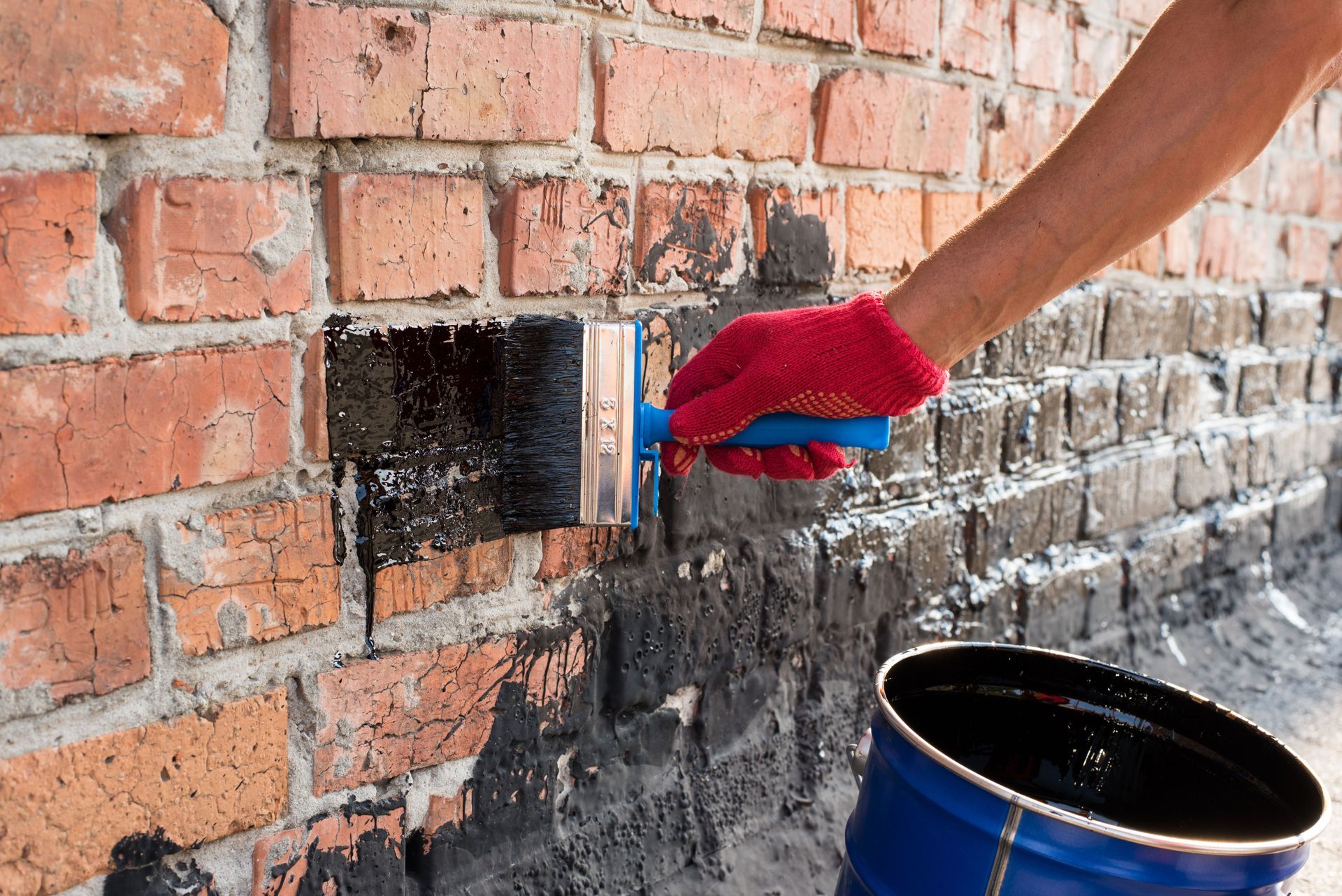
Exterior waterproofing represents a true preventative engineering solution designed to stop ground moisture from ever reaching structural masonry. The process involves excavating perimeter soil down to the foundational footings to fully expose subterranean concrete surfaces. Once the wall is prepared, an exterior waterproofing company applies seamless elastomeric membranes and heavy-duty drainage boards, ensuring outside groundwater is directed away before contacting the building structure.
Installing Subsurface Exterior Drainage Tile
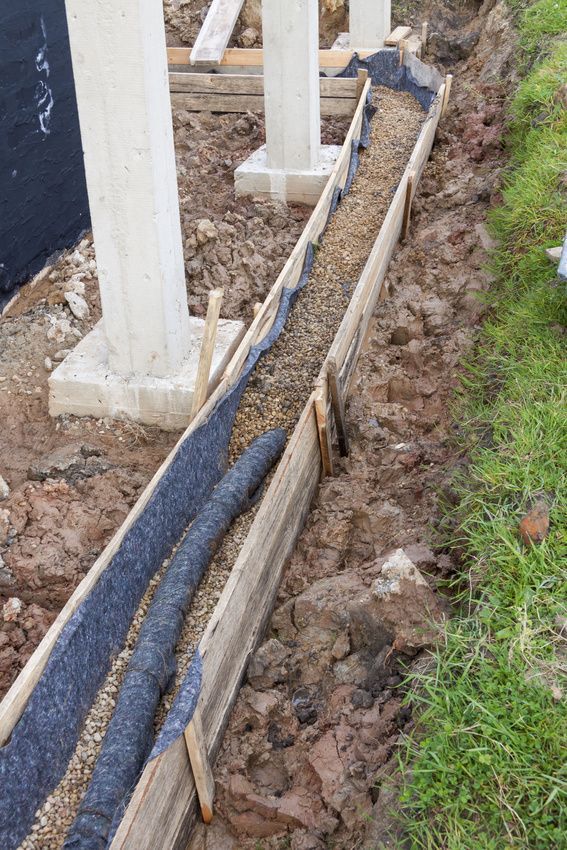
A functional exterior waterproofing assembly depends heavily on durable subsurface drainage tiles placed beside footing bases. Technicians lay perforated corrugated or rigid PVC piping enveloped in clean, washed aggregate and durable filtration fabric. This drainage corridor intercepts rising groundwater and relieves lateral hydrostatic pressure against subterranean walls. Sourcing a dependable exterior waterproofing company ensures these subsurface pipes maintain appropriate downward slope gradients toward gravity outlets or catch basins.
Applying Seamless Polymer Waterproofing Membranes
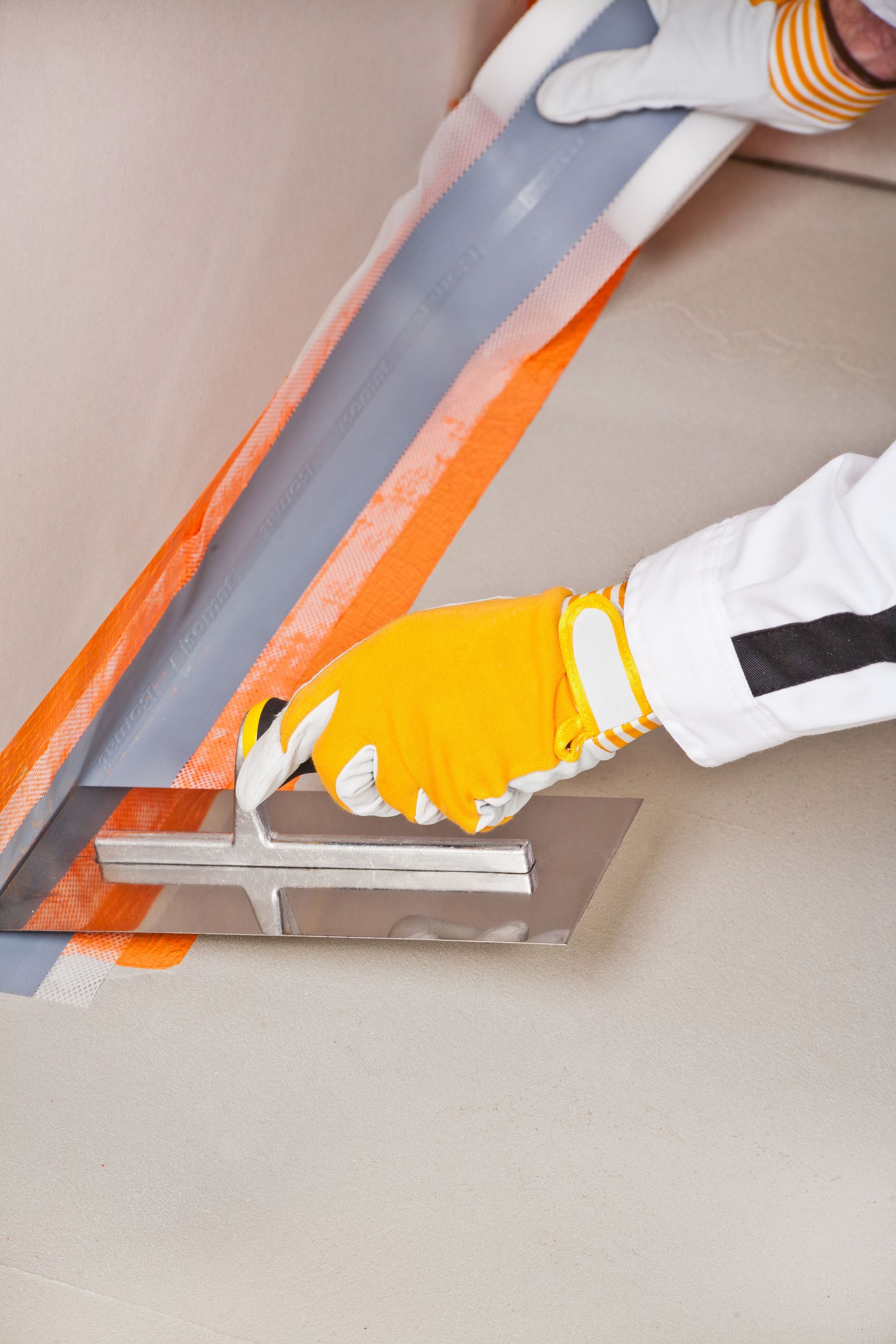
Modern exterior treatments go far beyond traditional, brittle asphalt damp-proofing compounds. Professionals apply heavy-duty liquid rubber polymers and sheet membranes that bridge active settlement cracks while remaining flexible throughout freezing winters. An established exterior waterproofing company pairs these flexible coatings with dimpled drainage composite boards, creating an air gap that shields wall coatings from backfill abrasion and accelerates water descent toward footer drains.
Comparing Interior and Exterior Waterproofing Strategies
Comparing Structural Longevity and Moisture Prevention
When comparing long-term performance, interior systems manage moisture symptoms while exterior techniques eliminate the root structural threat. Allowing groundwater to enter foundation pores causes persistent rebar corrosion and spalling concrete over time. Partnering with a skilled exterior waterproofing company stops moisture before concrete saturation occurs, preserving structural integrity and preventing mold spores from ever penetrating wall cavities.
Analyzing Long-Term Value and Project Costs
While interior drainage systems present lower upfront installation expenses, exterior remediation delivers superior long-term financial returns. Interior approaches frequently require tearing out expensive finished basements, custom cabinetry, and framed drywall to access floor slabs. Investing upfront in an exterior waterproofing company preserves fully finished interior living areas while preventing recurring foundation degradation that depreciates home value.
Evaluating Site Logistics and Excavation Demands
Exterior foundation excavations require heavy excavation machinery, trench safety shoring, and temporary disruptions to exterior outdoor areas. Decks, paved driveways, and established flower beds adjacent to exterior walls must be safely dismantled or navigated during excavation. A reputable exterior waterproofing company plans site logistics carefully, minimizing property disturbance and executing proper soil compaction once waterproofing membranes are secured.
Selecting the Ideal Waterproofing Strategy
Determining When Interior Waterproofing Proves Suitable
Interior waterproofing serves as an effective choice for homeowners facing modest, localized moisture along cold joints where exterior excavation is physically impossible. Urban rowhouses and zero-lot-line residential properties with shared exterior walls often cannot accommodate heavy trenching equipment. In these tightly constrained structural footprints, sub-slab perimeter tracks combined with vapor retarders provide practical moisture containment.
Determining When Exterior Waterproofing Is Essential
Exterior mitigation is non-negotiable for properties experiencing severe masonry spalling, widespread wall cracks, or significant structural water pressure. Homeowners who plan to finish their basements with luxury drywall and flooring should proactively consult an exterior waterproofing company. Halting moisture infiltration externally provides the only foolproof defense against toxic mold growth and expensive water damage inside finished walls.
Selecting a Qualified Foundation Contractor
Hiring the right contractor is essential for ensuring lasting foundation protection and securing reliable warranty coverage. Choosing an exterior waterproofing company with proven regional experience ensures that local soil mechanics and frost depth regulations are properly addressed throughout installation.
Resolving basement moisture problems requires understanding the distinct functional differences between internal water management and comprehensive external barriers. While interior systems provide accessible containment for mild leaks, they leave structural foundation walls vulnerable to continuous water absorption and freeze-thaw expansion. Hiring a certified exterior waterproofing company offers the ultimate structural defense, intercepting ground moisture before it ever touches your home's foundation.
Investing in reliable, professional waterproofing safeguards indoor air quality, protects finished living spaces, and eliminates structural deterioration. By partnering with a reputable exterior waterproofing company, homeowners secure lasting peace of mind, knowing their residential foundation remains safe, dry, and structurally sound through every seasonal storm. Contact Master-Dry Waterproofing today to get started.