October 6, 2026
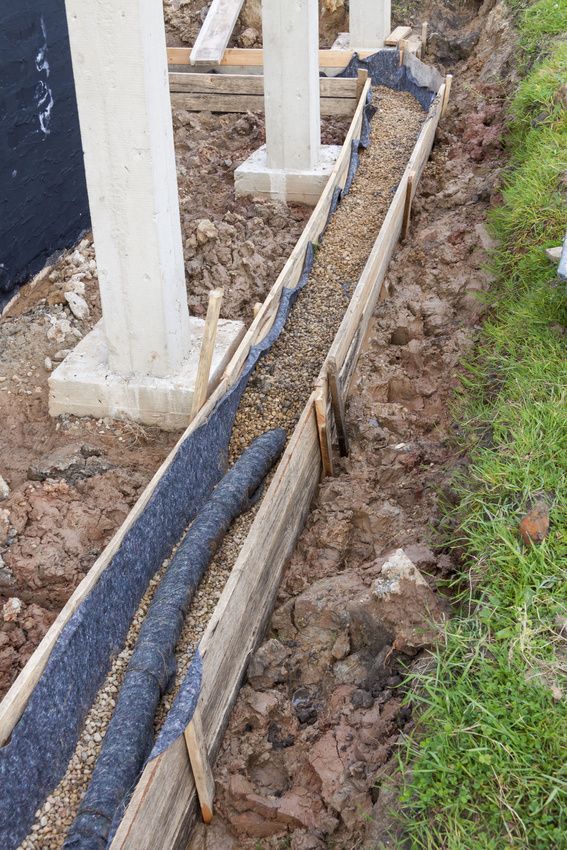
French drains are designed to give unwanted water a controlled path away from vulnerable areas of a property. Water enters through the surrounding material and perforations, then travels through the pipe toward a designated discharge point.
This type of drainage system can be useful when water repeatedly collects near a foundation, saturates soil, or contributes to basement moisture. A properly designed drain helps redirect groundwater away from the foundation. That can reduce the amount of water and hydrostatic pressure acting against below-grade walls.
For homeowners considering French drain services, understanding the system's purpose is an important first step. Its location, slope, materials, discharge point, and relationship to the property's existing drainage all affect how effectively it manages water.
Examining the Components That Support Drainage
Several components make a French drain effective. The perforated pipe provides a pathway for collected water, while gravel creates open space around the pipe so water can reach it. Depending on the design and site conditions, filter fabric may also be used to help limit the movement of soil and fine sediment into the drainage system.
The trench itself must be appropriately positioned and configured. Water needs a dependable route toward its intended outlet rather than a pathway that allows it to settle near the foundation. The surrounding soil, property grade, existing drainage, and amount of water involved can all influence the design.
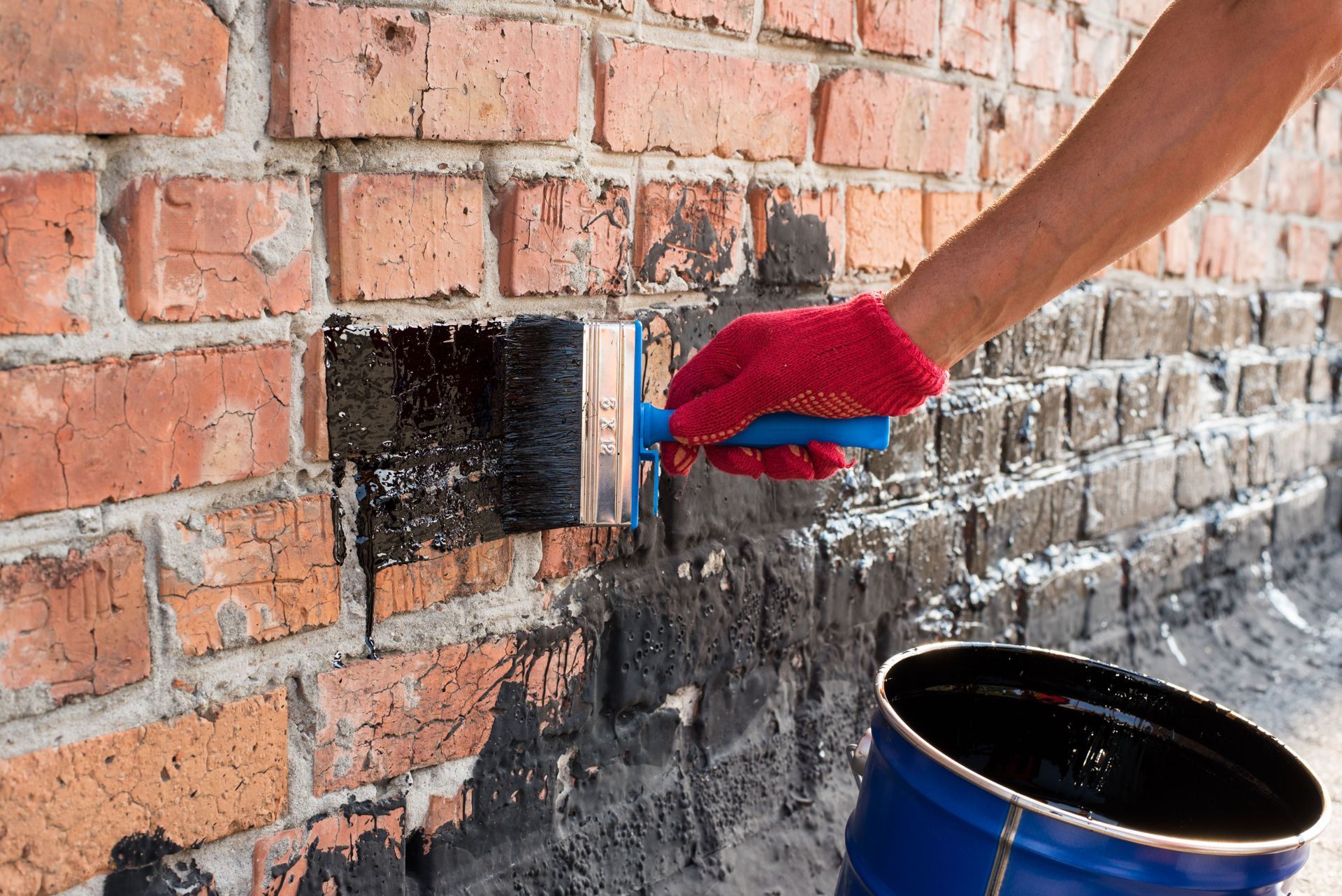
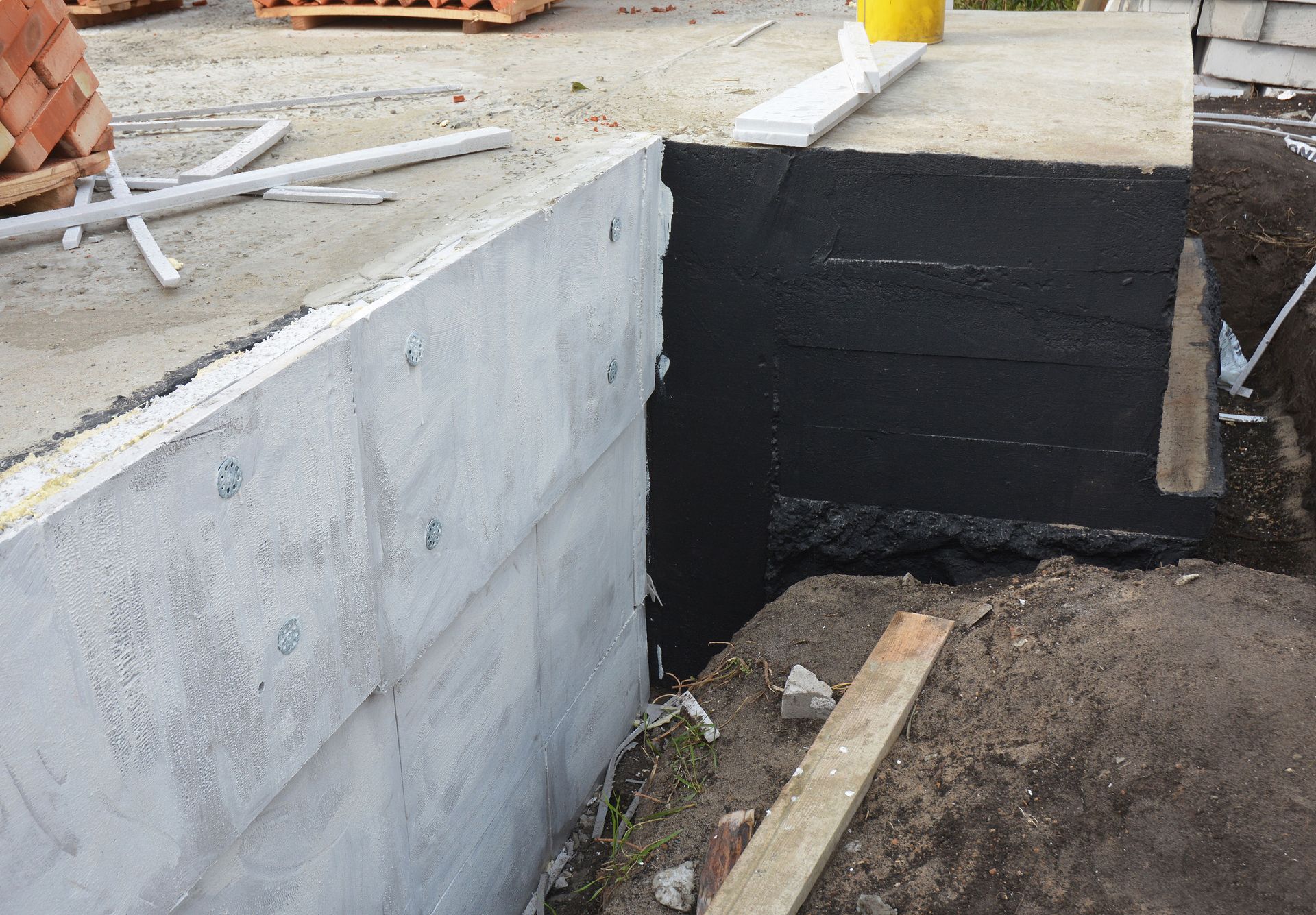
For French drain services around a home, the drainage plan should also account for other water-management features. Gutters and downspouts, sump pumps, grading, exterior waterproofing, and other drainage systems may affect where water enters the property and where it should ultimately go. Considering these elements together can help address recurring moisture.
Tracing How Water Travels Through the System
When rain or groundwater reaches the drainage area, it can move through the gravel and into the perforated pipe. Gravity then carries the collected water through the pipe toward a suitable discharge area. The exact route depends on the property's layout and drainage design, which is why French drain services should reflect site conditions.
This process is especially relevant during periods of heavy rainfall. In Central and South New Jersey, seasonal storms can saturate soil around foundations and expose weaknesses in existing drainage. Snowmelt and repeated wet weather can create similar concerns during colder months. A properly designed system can help manage these water patterns.
French drains do not make a property immune to water intrusion. Their role is to manage water movement as part of an overall waterproofing strategy. If water is entering through foundation cracks, rising from below a basement floor, or reaching the home because of poor exterior grading, additional measures may be needed.
Considering What Determines Drain Lifespan
A French drain can provide long-term service, but its actual lifespan depends on several conditions. According to U.S. News Real Estate, French drains typically have a lifespan of 30 to 40 years. That range is a useful general benchmark, not a guarantee for every property.
Installation quality is important. A system needs appropriate materials, adequate drainage capacity, and a design that accounts for how water moves across and beneath the property. Soil conditions also matter because sediment can gradually affect drainage performance. Heavy runoff and repeated flooding can place greater demands on the system.
Maintenance can also influence longevity. Keeping drainage components clear and addressing changes in performance can help identify problems before they become more disruptive. Professional inspections may be appropriate when drainage changes or basement moisture returns.
Recognizing Signs of Drainage Problems
A drainage system may need attention when its performance changes. Persistent standing water, newly damp basement areas, water stains, musty odors, soil erosion, or repeated pooling near a foundation can all warrant closer evaluation. Other drainage components may be responsible.
Homeowners can also notice changes after major weather events. A system that handled ordinary rainfall may behave differently after unusually heavy precipitation. In Central and South New Jersey, seasonal shifts can bring periods of heavy rain, freezing temperatures, and snowmelt, each of which can change how water moves through the soil.
For French drain services, an evaluation should consider the full drainage environment rather than focusing only on the visible symptom. A professional can assess the location of the problem, existing drainage features, and likely pathways for groundwater before determining what type of work may be appropriate.
Maintaining Long-Term Drainage Performance
Routine attention can preserve drainage performance. Inspections can identify sediment accumulation, damaged components, blocked outlets, or other conditions that may limit water movement. The frequency of professional maintenance depends on the system, the surrounding landscape, the soil, and the amount of water it handles.
Landscaping changes can also affect drainage. New patios, retaining walls, gardens, driveways, or grading modifications may change where rainwater flows.
For homeowners using French drain services as part of a broader waterproofing plan, maintenance can provide an opportunity to review whether the property's water-management needs have changed. A system designed for one set of conditions may require adjustments if the landscape, drainage patterns, or foundation environment changes substantially.
Evaluating When Professional Drainage Help Matters
French drain design involves more than choosing a pipe and filling a trench. The system must work with the property's grade, soil conditions, water flow, foundation layout, and discharge options. Poor placement or inadequate drainage capacity can leave water concentrated in the same areas that a system was intended to protect.
Professional French drain services can include evaluating whether an interior or exterior system is appropriate, determining where water is entering or collecting, and coordinating drainage with waterproofing or sump pump equipment. These decisions are particularly important when water has already affected a basement or crawlspace.
A professional assessment can also help distinguish between a drainage issue and another waterproofing concern, a key reason homeowners seek French drain services. For example, surface runoff may call for exterior drainage improvements, while groundwater entering beneath a basement floor may require an interior drainage approach. The right solution depends on the source and movement of the water.
Planning for Seasonal Water Management
Late summer and early fall can be useful times to review drainage before wetter weather becomes frequent. Leaves, changing soil conditions, and seasonal rainfall can reveal areas where water does not move away from the property as expected. Addressing concerns before repeated storms may reduce ongoing moisture problems.
As winter approaches in New Jersey, homeowners may also need to consider how freezing conditions and snowmelt interact with existing drainage. Water management remains important even without heavy daily rainfall. A system that continues to direct water away from vulnerable areas can support the home's broader waterproofing strategy throughout the year.
For French drain services, seasonal planning is less about predicting every storm and more about understanding how the property responds to changing conditions. Regular evaluations can help homeowners recognize developing drainage concerns and determine whether their existing system remains appropriate.
A well-designed drainage system can play an important role in protecting a home from recurring moisture. When groundwater is redirected away from vulnerable foundation areas, the property may be better positioned to manage wet conditions while reducing the stress that standing water can place on below-grade structures.
For homeowners in Central and South New Jersey, Master-Dry Waterproofing provides drainage and waterproofing solutions designed around individual property conditions, including French drain installation, exterior drainage, sump pump integration, and related moisture-control services. Contact Master-Dry Waterproofing today to schedule a professional assessment and discuss a drainage solution for your home.