August 28, 2026
Basement waterproofing is an important home improvement project that can help protect your property from moisture, leaks, and the damage that prolonged water exposure can cause. Whether you have noticed occasional dampness or are dealing with recurring flooding, taking time to plan the project can help you address the underlying problem rather than simply responding to individual leaks. A well-planned approach also gives you an opportunity to establish a realistic budget, compare solutions, and prepare your home before work begins.
Working with the right waterproofing company can make the planning process easier by helping identify potential sources of water intrusion and recommending appropriate solutions. Before hiring a contractor, however, it is helpful to understand the warning signs, available waterproofing methods, potential costs, and what you can expect throughout the project.
What Are the Signs That My Basement Needs Waterproofing?
Some basement moisture problems are immediately noticeable, while others develop gradually. Visible water is an obvious warning sign, particularly if you regularly find puddles after heavy rain or snowmelt. However, you should also pay attention to less obvious indications that moisture is entering your basement.
Musty odors can indicate persistent dampness, even when standing water is not present. You may also notice mold or mildew growth on walls, floors, stored belongings, or other surfaces. Efflorescence, which appears as a white, powdery substance on masonry walls, can also indicate that moisture is moving through the foundation.
Cracks in foundation walls or floors deserve attention as well. While not every crack indicates a serious structural issue, some can provide pathways for water to enter. Peeling paint, damaged flooring, warped materials, and rust on metal components can also result from excessive moisture.
If you notice several of these conditions, consider having a waterproofing company evaluate the basement. Identifying the source of moisture early may provide more options for addressing the problem before water damage becomes more extensive.
How Do I Choose the Right Waterproofing Company?
Choosing a contractor is one of the most important decisions you will make during the project. Start by looking for companies with experience handling basement moisture problems similar to yours. A contractor should be willing to inspect the basement and discuss potential causes instead of immediately recommending a single solution without evaluating the property.
Ask prospective contractors about their previous projects, licensing or registration requirements in your area, insurance coverage, warranties, and written estimates. It is also useful to find out whether the company performs the work with its own crews or relies on subcontractors.
A reputable waterproofing company should explain why a particular approach is appropriate for your basement. The contractor should also discuss the expected scope of work, materials, estimated timeline, and any preparations you need to make before installation.
When comparing estimates, avoid choosing a contractor based solely on the lowest price. A significantly lower bid may not include necessary work, materials, drainage improvements, or other project requirements. Comparing the details of several proposals can give you a clearer understanding of what you are actually paying for.
What Are the Different Waterproofing Solutions Available?
Basement waterproofing is not a one-size-fits-all process. The appropriate solution depends on where water is coming from, the condition of the foundation, drainage around the home, the basement's construction, and other factors.
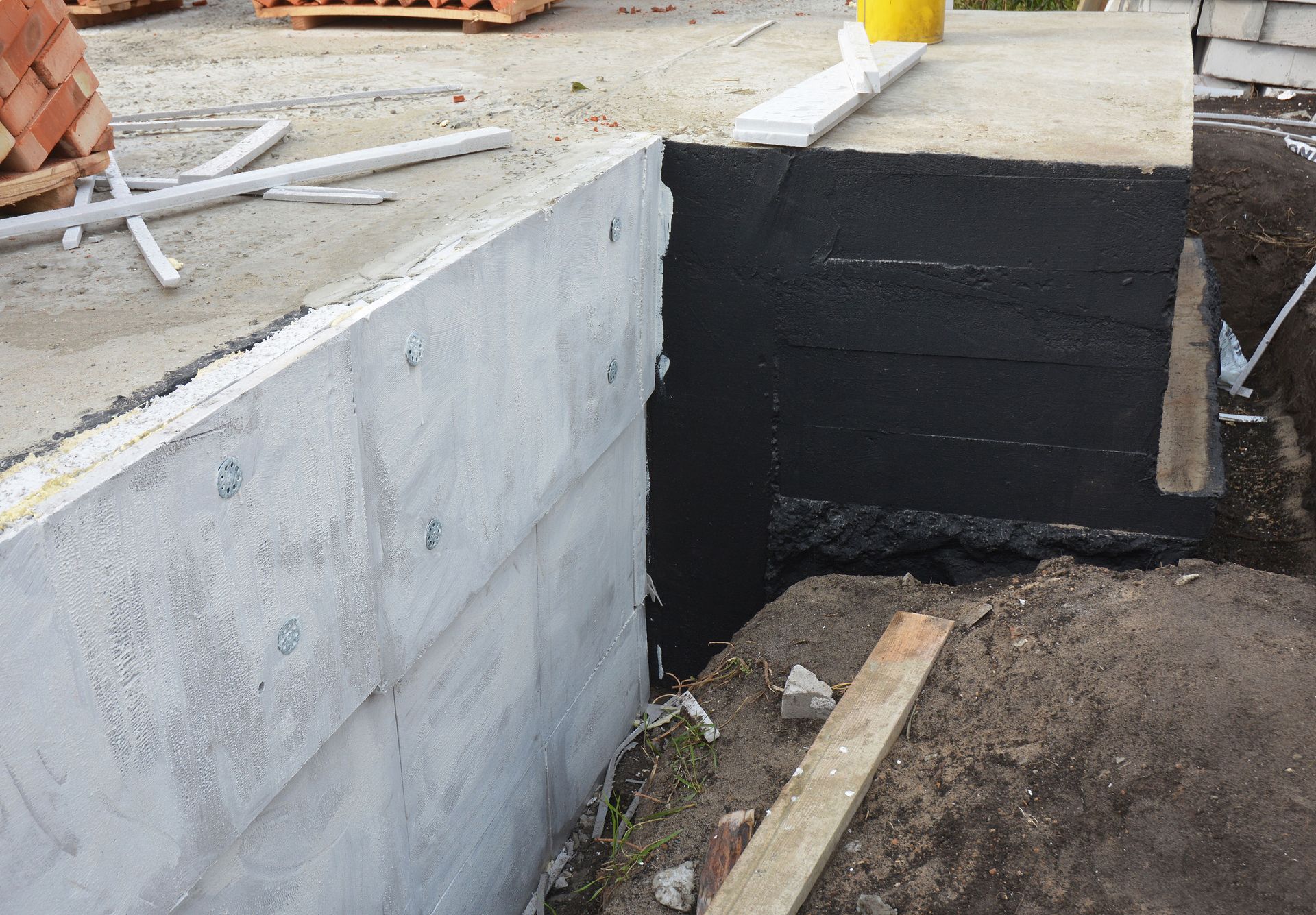
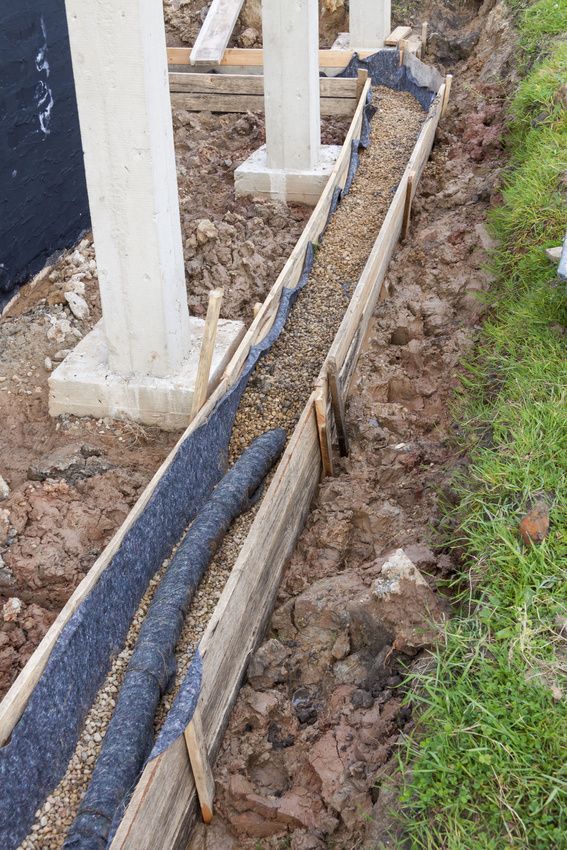
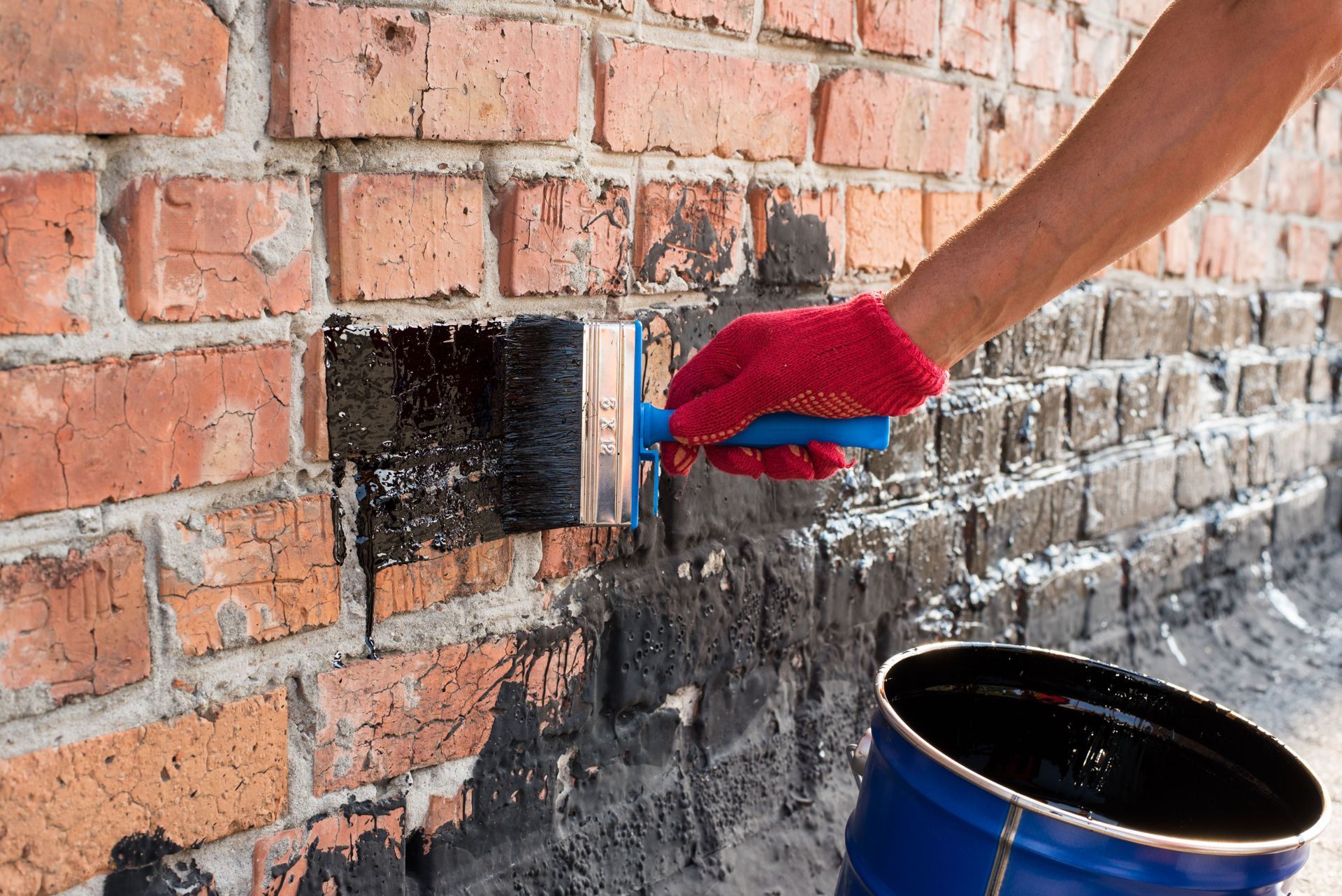
Exterior waterproofing can involve excavating around foundation walls and applying waterproof coatings or membranes. Drainage improvements may also be incorporated to redirect water away from the foundation. Because exterior work can involve substantial excavation, property access and landscaping may affect the project.
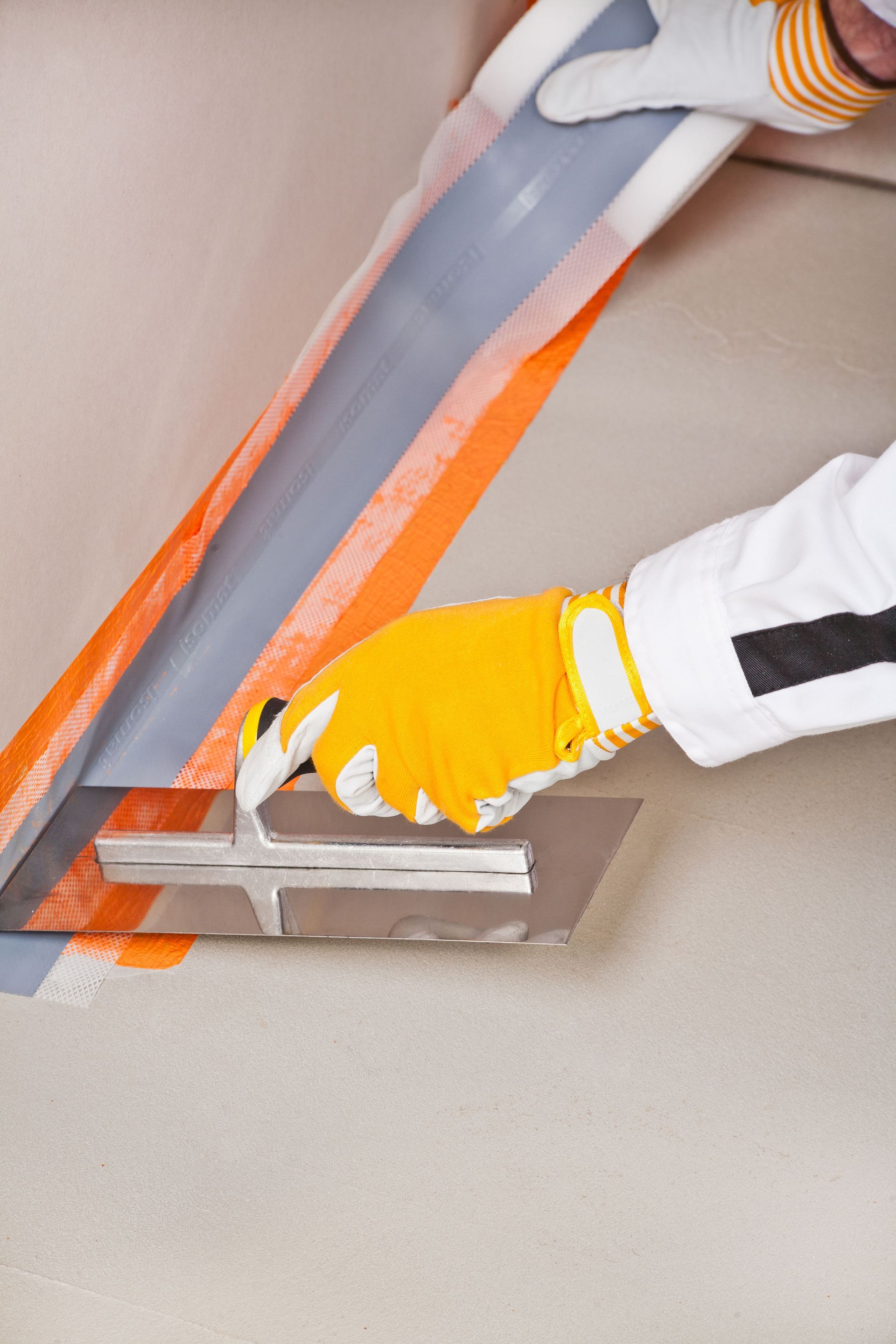
Interior waterproofing methods can include drainage systems designed to collect water that enters through foundation walls or floors and direct it toward a sump pump. Sealants and other products may also be used to address specific cracks or areas of moisture intrusion.
Gutter and downspout improvements can play an important role as well. If rainwater is being discharged directly beside the foundation, improving drainage around the home may reduce the amount of water reaching the foundation walls.
A qualified waterproofing company can evaluate these conditions and determine which combination of solutions is appropriate. In some situations, resolving the problem may require several improvements rather than relying on a single waterproofing product.
How Much Should I Budget for a Waterproofing Project?
The cost of basement waterproofing can vary considerably from one property to another. Factors such as basement size, foundation condition, water intrusion severity, accessibility, drainage requirements, labor, and the selected waterproofing method can all affect the final price.
Before beginning the project, request a detailed written estimate. The estimate should identify the major components of the work and explain what is included in the quoted price. You can then compare proposals based on both cost and scope rather than looking at the total price alone.
It is also wise to leave some room in your budget for unexpected conditions. Once walls, floors, or foundation areas are opened, a contractor may discover issues that were not visible during the initial inspection. Setting aside additional funds can help you respond to these situations without significantly disrupting your plans.
The project timeline should also be considered when establishing your budget. According to This Old House, basement waterproofing can take anywhere from one day to a full week, depending on the basement's size and the waterproofing method being used. Planning for the possibility of several days of work can help you account for temporary disruptions and related expenses.
What Can I Expect During the Waterproofing Process?
The waterproofing process generally begins with an inspection. The contractor will look for visible moisture, foundation cracks, drainage issues, water entry points, and other conditions that could contribute to basement problems. This assessment helps determine what work may be necessary.
Once the approach has been selected, the contractor will typically prepare the work area. Depending on the project, this could involve moving stored belongings, protecting finished surfaces, removing portions of flooring or walls, or preparing exterior areas for excavation.
Installation procedures vary according to the selected waterproofing system. Interior projects may involve installing drainage channels, sump pumps, or other components. Exterior projects can involve excavation, foundation preparation, waterproof membranes, and drainage materials.
Some projects may create dust, noise, vibration, or temporary access restrictions. Ask your waterproofing company what conditions to expect before work begins so you can make appropriate arrangements.
After installation, the contractor should review the completed work with you and explain how the system operates. If a sump pump or other mechanical component has been installed, ask about maintenance requirements and what to do if the system experiences a problem.
Planning your basement waterproofing project carefully can help you make informed decisions about contractors, solutions, costs, and scheduling. Recognizing early signs of moisture can also give you an opportunity to address problems before water intrusion causes more extensive damage.
Take time to compare contractors, request detailed estimates, and understand why a particular waterproofing method has been recommended for your home. A qualified waterproofing company can help identify the likely source of moisture and develop an approach suited to the property's specific conditions.
With proper preparation and professional installation, basement waterproofing can provide greater protection against moisture while helping preserve the condition and usability of your home's lower level. If you have a basement that you want to transform into a useable living space or dry storage, reach out to the team at Master-Dry Waterproofing today!