June 5, 2026
A wet basement is more than a nuisance. It can gradually affect structural stability, indoor air quality, and the long-term usability of a home's lower level. Modern solutions for moisture control are designed to address these issues at their source rather than relying on temporary fixes that only mask symptoms. Today's property owners have access to comprehensive systems that combine drainage, sealing, and water management strategies tailored to specific foundation conditions.
Understanding what happens during a professional waterproofing project helps homeowners make informed decisions and set realistic expectations. From the initial inspection to system installation and final testing, each stage plays a role in ensuring long-term protection. Modern approaches prioritize precision and customization, meaning no two projects are exactly alike.
Professional basement waterproofing services are structured around diagnosing water entry points, controlling groundwater pressure, and preventing future intrusion. The process is methodical, often requiring coordination between multiple components to achieve a consistently dry environment.
Comprehensive Inspection and Customized Planning Process
Initial Evaluation of Moisture and Structural Conditions
The first step in modern waterproofing work involves a detailed assessment of the basement's condition. Technicians examine visible water intrusion, measure humidity levels, and identify structural vulnerabilities such as cracks or porous concrete. This evaluation helps determine the severity of the issue and guides the selection of appropriate solutions.
During this stage, homeowners typically receive a clear explanation of what is causing the moisture problem. It may involve groundwater seepage, poor exterior drainage, or hydrostatic pressure building against foundation walls. Accurate diagnosis is essential because it ensures the chosen method aligns with the root cause rather than surface symptoms.
Professional basement waterproofing services often begin with this type of structured evaluation to ensure no contributing factor is overlooked. This foundational step reduces the likelihood of recurring issues and supports a more durable long-term outcome.
System Design Based on Property-Specific Conditions
Once the evaluation is complete, the next phase focuses on designing a tailored waterproofing plan. No two basements experience water intrusion in the same way, so the proposed solution must reflect site-specific conditions such as soil type, foundation age, and drainage patterns.
Design planning may include interior drainage layouts, sump pump placement, vapor barrier application, or wall sealing strategies. Each component is selected based on how water is entering or accumulating within the structure. The goal is to create a coordinated system that manages water efficiently rather than addressing isolated symptoms.
At this stage, a basement waterproofing service will shift from diagnostic work to strategic planning. Homeowners are typically given a clear overview of the proposed system, including how each element contributes to overall moisture control and structural protection.
Preparation and Project Scheduling Expectations
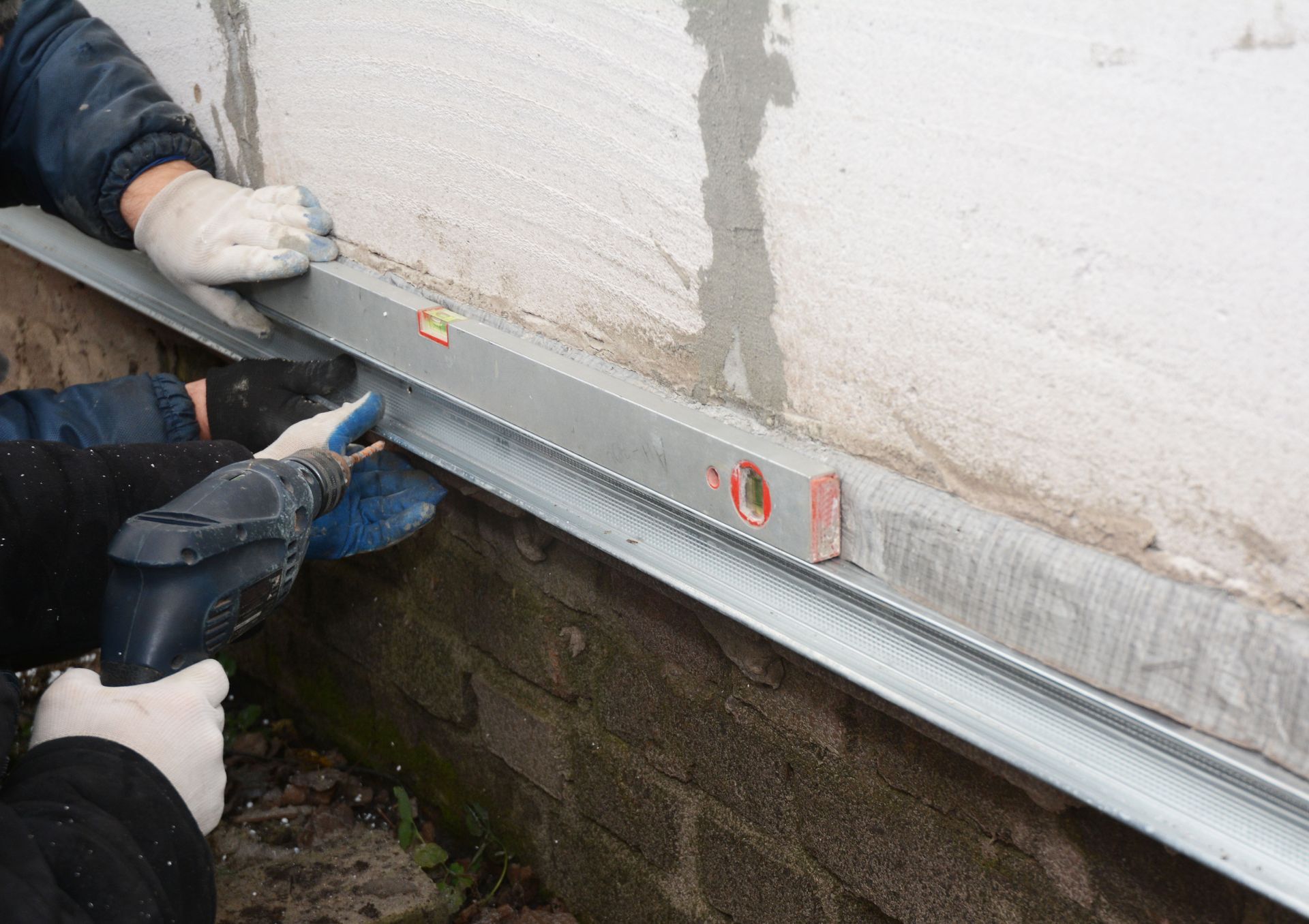
After the plan is approved, preparation begins. This may involve clearing basement areas, protecting stored items, and setting a project timeline. Contractors often coordinate scheduling based on the scope of work, availability of materials, and weather conditions if exterior work is included.
Preparation also includes securing necessary permits and ensuring compliance with local building codes. This step ensures that the installation proceeds smoothly and meets regulatory standards without delays.
Many basement waterproofing services emphasize this phase because proper preparation reduces disruptions during installation. Homeowners are informed about what areas will be affected and how long each phase is expected to take, allowing for better planning and minimal inconvenience.
Depending on the complexity of the system, installation timelines can vary significantly. According to This Old House, waterproofing a basement generally takes anywhere from one day to as long as one week, depending on the basement's size and the chosen method. This variation reflects the level of customization required for each project.
Professional Installation Methods and Core Waterproofing Systems
Interior Drainage System Implementation
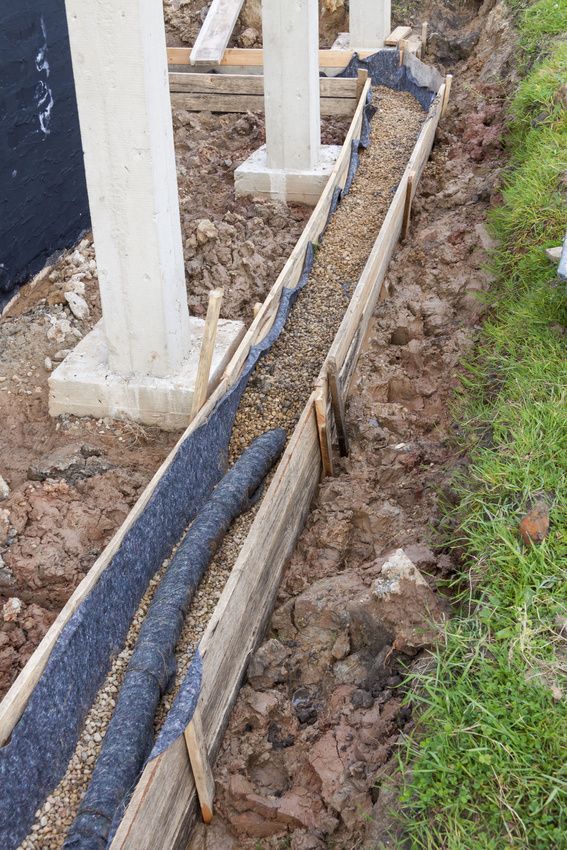
Interior drainage systems are one of the most common solutions used in modern waterproofing projects. These systems are designed to intercept water that enters at the foundation perimeter and redirect it safely away from the structure. Installation typically involves creating a channel along the basement floor where water naturally collects.
Once installed, the drainage system works continuously to manage groundwater pressure. It prevents water from pooling against foundation walls and reduces the risk of structural damage over time. Proper installation requires precision to ensure consistent flow toward the discharge point.
In many cases, basement waterproofing services rely on interior drainage as a central component because it addresses water intrusion at the point of entry. This method is particularly effective in regions with high rainfall or fluctuating groundwater levels.
Sump Pump Integration and Water Discharge Control
A sump pump system is often paired with interior drainage to actively remove collected water from the basement. The pump is installed in a designated basin where water accumulates before being discharged away from the home. This mechanical system is essential for preventing flooding during heavy storms or rapid snowmelt.
Modern installations may also include backup power options to ensure operation during electrical outages. This added protection is especially important in areas prone to severe weather events, where power interruptions can coincide with heavy water infiltration.
Professional basement waterproofing services typically incorporate sump pump systems when active water removal is necessary. The combination of passive drainage and active pumping creates a more resilient defense against basement flooding.
Crack Sealing and Foundation Surface Treatment
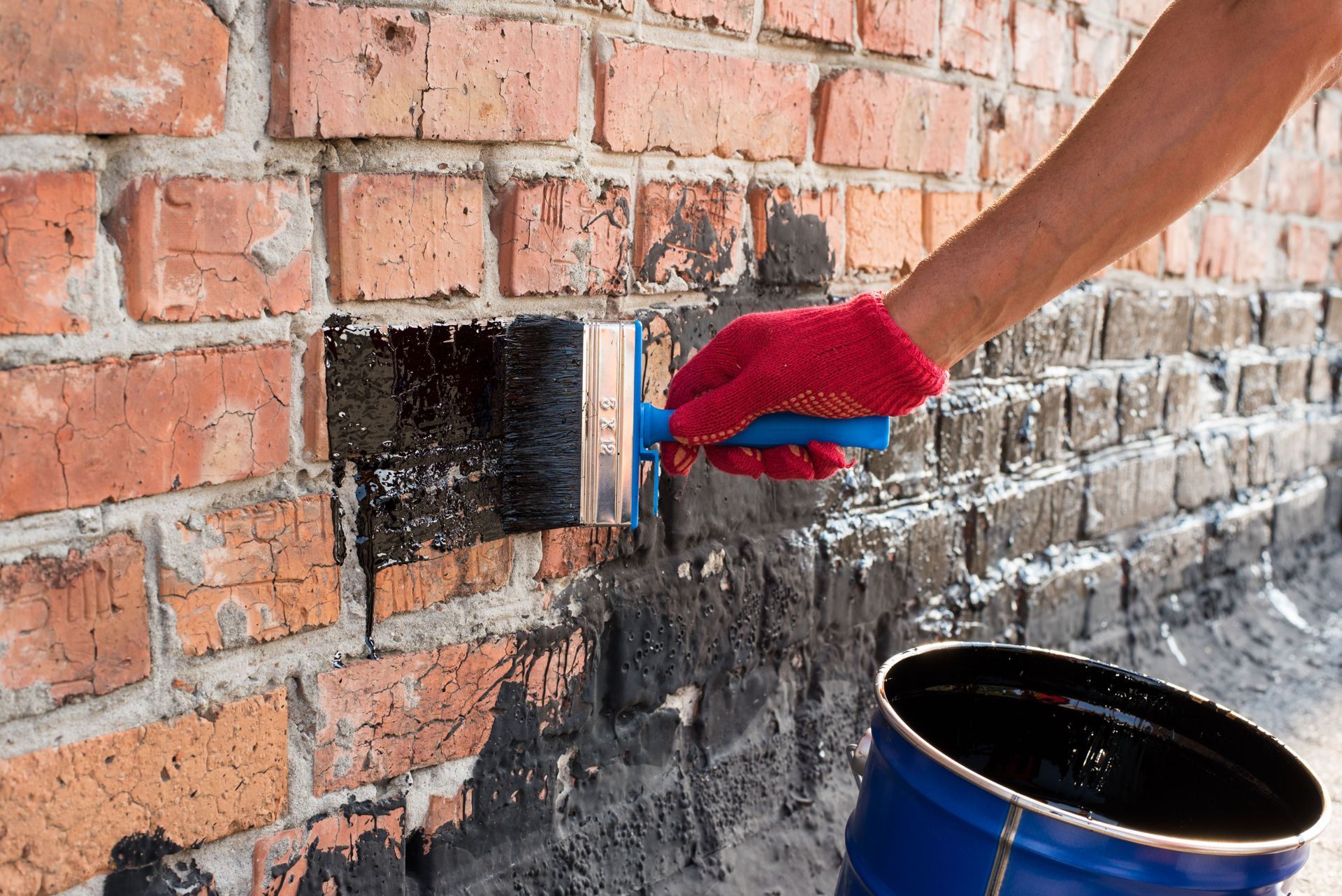
Foundation cracks are a common entry point for water and must be addressed as part of a comprehensive waterproofing strategy. Specialized sealants are applied to penetrate deep into concrete and masonry, creating a durable barrier that prevents further infiltration.
Surface treatment may also include reinforcing porous areas of the foundation wall. This process strengthens weak points and reduces the likelihood of future cracking under pressure from surrounding soil and water.
Many basement waterproofing services include crack sealing as a foundational step because untreated structural openings can compromise the effectiveness of the entire system. Addressing these vulnerabilities early ensures that other components function as intended.
Vapor Barrier Application and Moisture Control Enhancement
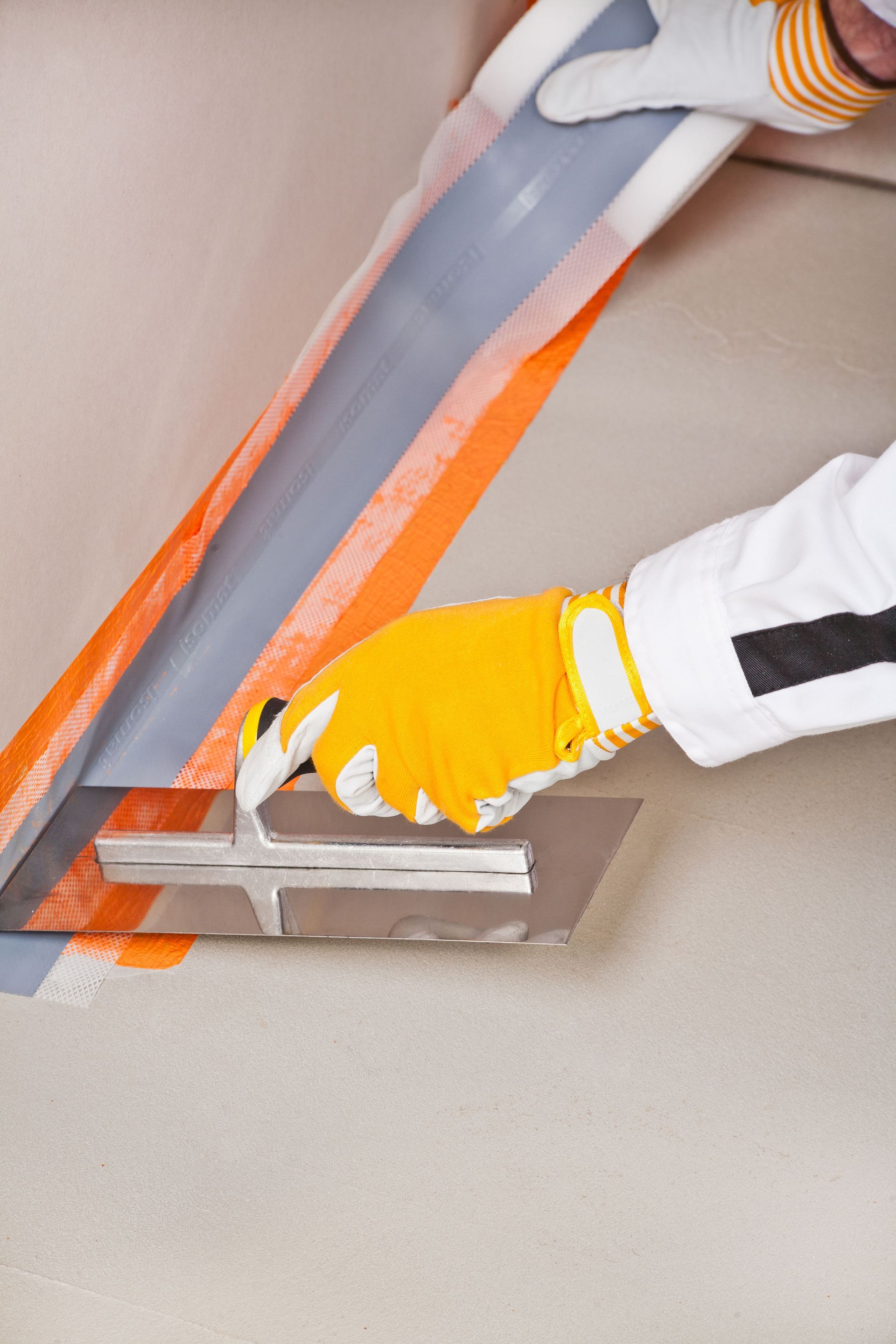
Even when liquid water is not visibly present, moisture vapor can still affect basement conditions. Vapor barriers are installed to reduce humidity levels and prevent moisture from passing through foundation materials. These barriers are typically applied to walls and sometimes beneath flooring systems.
By controlling vapor transmission, these systems help reduce mold growth, musty odors, and condensation buildup. This creates a more stable and usable basement environment, particularly for storage or finished living spaces.
Basement waterproofing services often include vapor barrier installation when long-term humidity control is a priority. This step enhances overall system performance by addressing both visible and invisible moisture sources.
Modern basement waterproofing is a structured, multi-stage process designed to address both immediate water intrusion and long-term moisture control. From detailed inspection and planning to system installation and final verification, each step plays a critical role in creating a dry and stable basement environment.
When properly executed, basement waterproofing services provide a comprehensive solution that protects structural integrity, improves indoor air quality, and preserves usable space. By combining drainage systems, sealing methods, and water management components, homeowners gain a reliable defense against moisture-related damage.
With professional planning and consistent maintenance, these systems offer lasting protection and peace of mind, ensuring that basements remain dry, functional, and structurally sound for years to come. If you're looking for excellent waterproofing services for your basement, be sure to contact Master-Dry Waterproofing!